
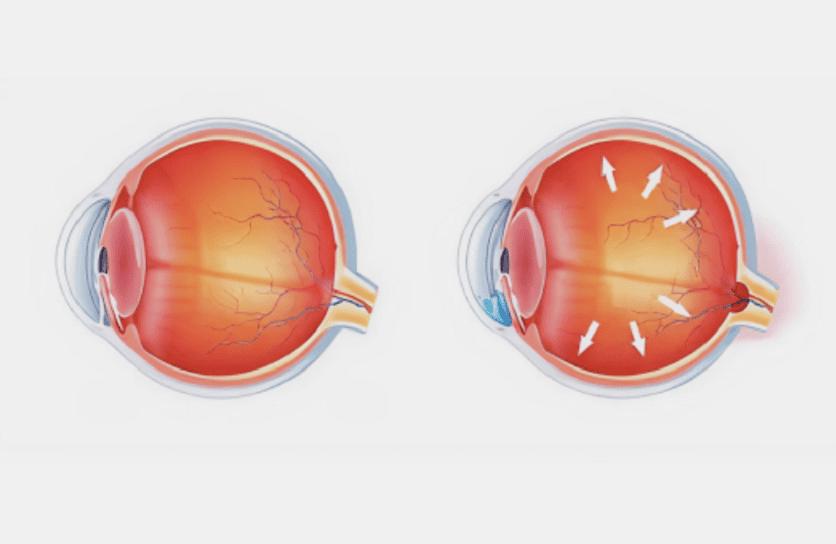
What Is Glaucoma? (ઝામર)
Glaucoma is a group of eye conditions that damage the optic nerve, which is essential for clear vision. This damage is often caused by increased pressure inside the eye (intraocular pressure), although glaucoma can sometimes occur even with normal eye pressure.
Glaucoma develops slowly and usually does not show early symptoms. If left untreated, it can lead to permanent vision loss or even blindness. Early detection through regular eye checkups is crucial to prevent serious complications.
How Does Glaucoma Affect Vision?
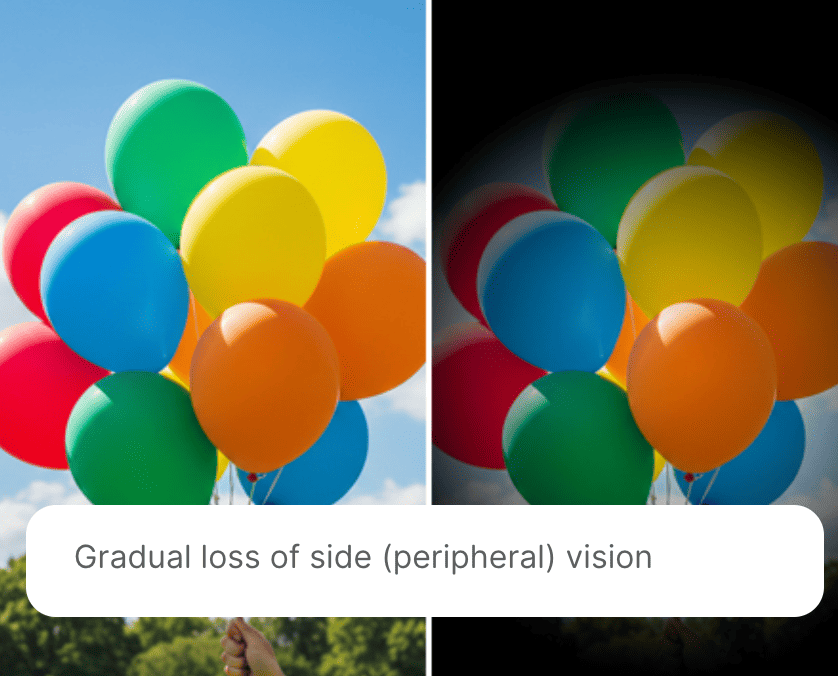
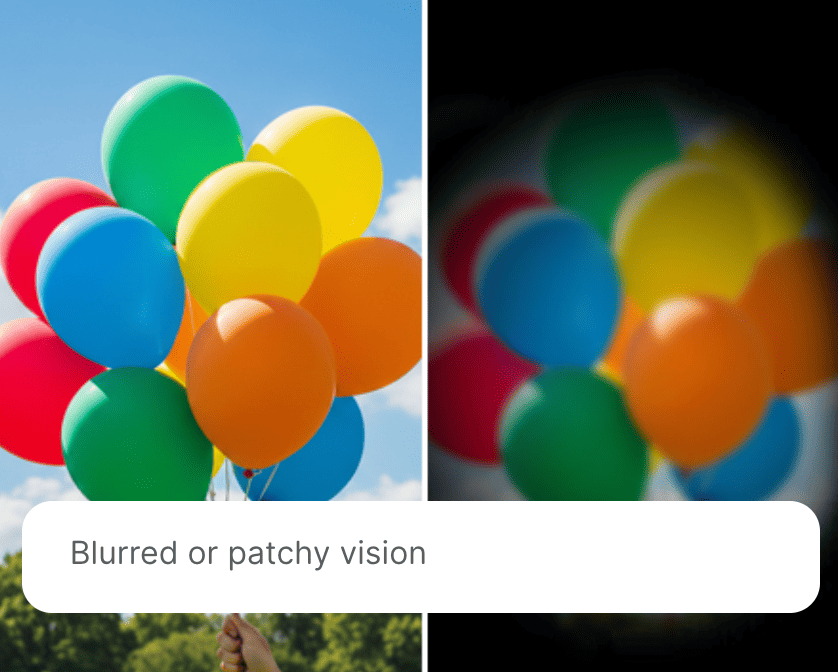
Glaucoma gradually damages the optic nerve, which is responsible for sending visual information from the eyes to the brain. In most cases, the condition develops slowly and does not cause noticeable symptoms in its early stages. As glaucoma progresses, it can lead to the loss of peripheral (side) vision, creating blind spots and making everyday activities such as driving, reading and walking more difficult. If left untreated, the damage can continue and eventually result in severe vision loss or permanent blindness. Regular eye examinations and early diagnosis are essential to detect glaucoma early and protect your vision through timely treatment and proper management.
Can Glaucoma Be Treated?
Glaucoma cannot be cured, but it can be effectively managed with :
- Prescription eye drops
- Oral medications
- Laser treatment
- Surgical procedures (if required)
Early diagnosis and proper treatment help control eye pressure and protect long-term vision.
Symptoms of Glaucoma
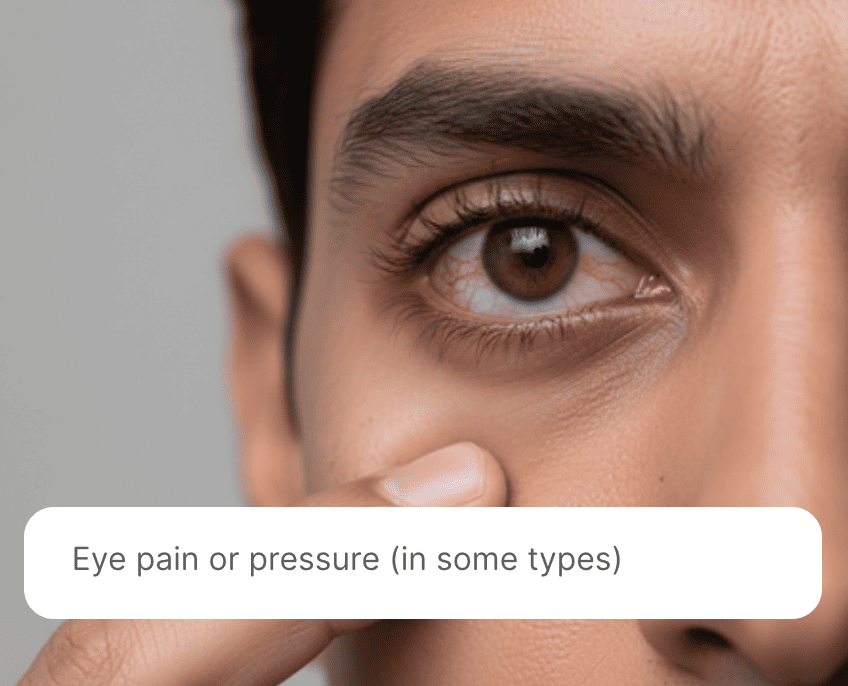

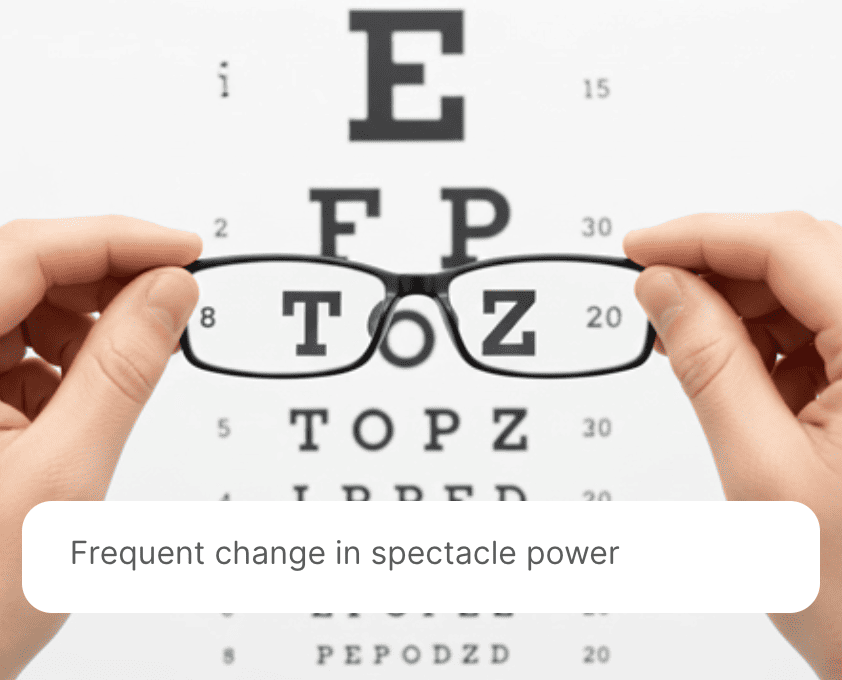
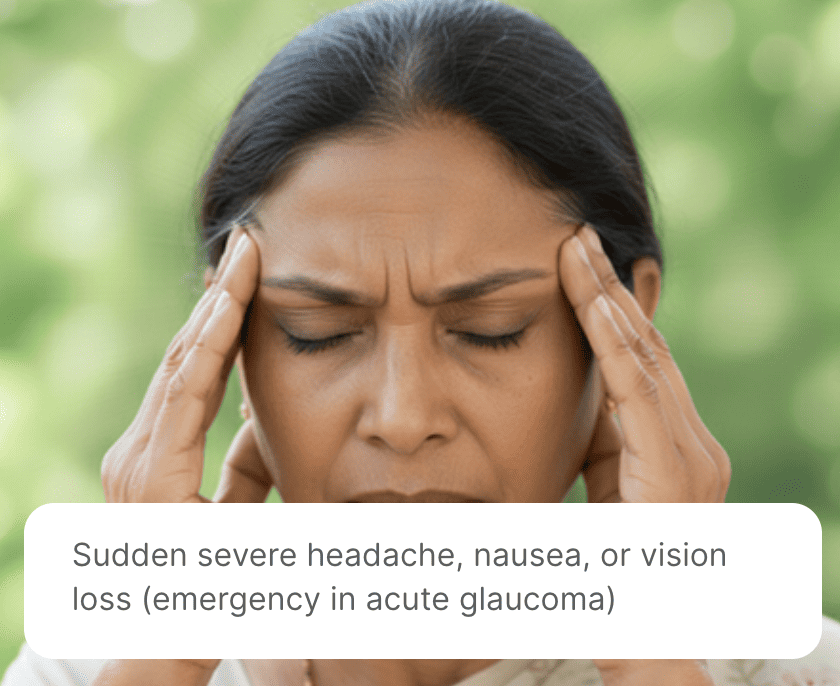
Types of Glaucoma
Glaucoma is classified into different types based on how eye pressure builds up and affects the optic nerve.
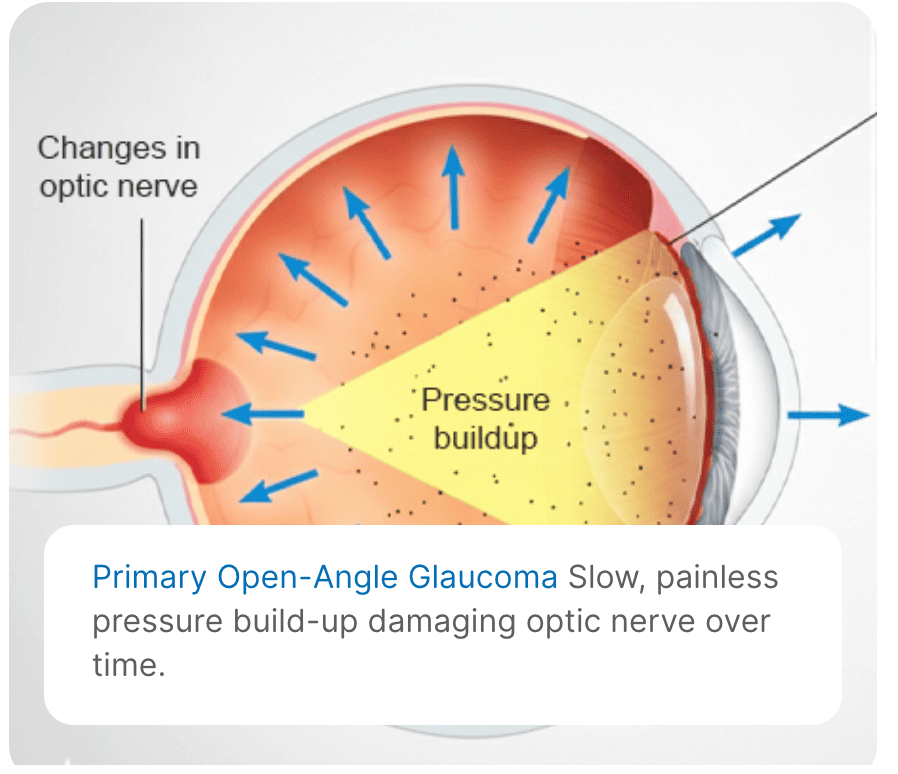
Primary Open-Angle Glaucoma
The most common type. It develops slowly and usually has no early symptoms. Vision loss begins gradually, often affecting peripheral vision first.
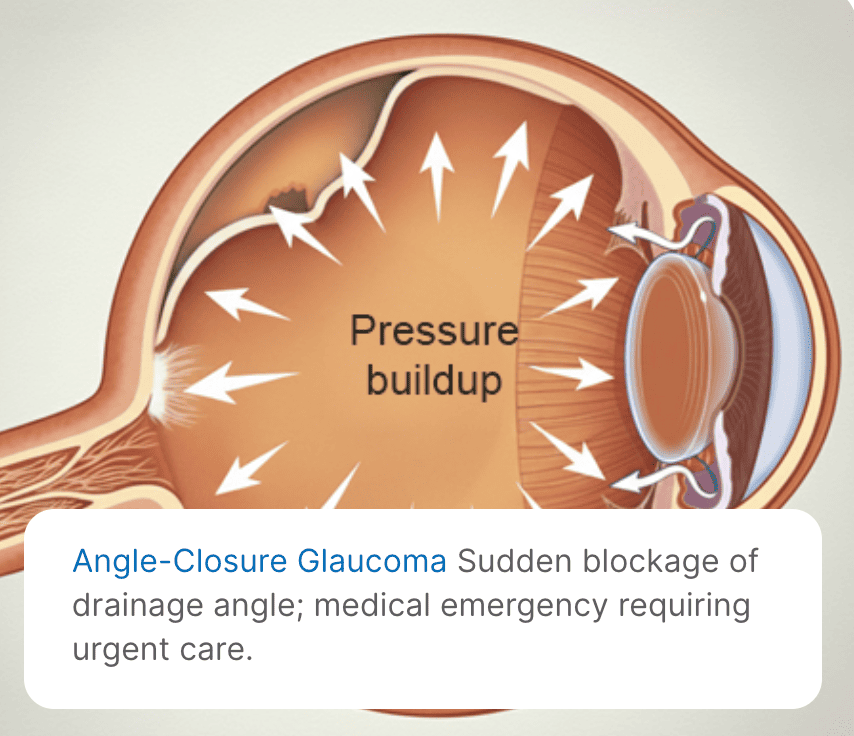
Angle-Closure Glaucoma
Occurs when the drainage angle of the eye becomes blocked suddenly. It can cause severe eye pain, headache, blurred vision, nausea and requires immediate medical attention.
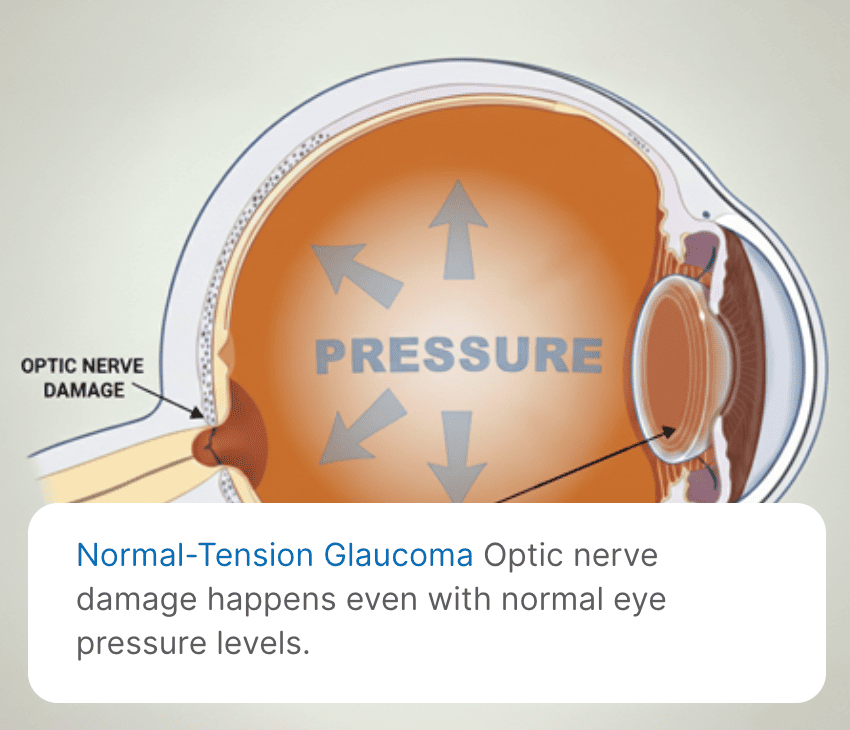
Normal-Tension Glaucoma
Optic nerve damage occurs even though eye pressure remains within the normal range.
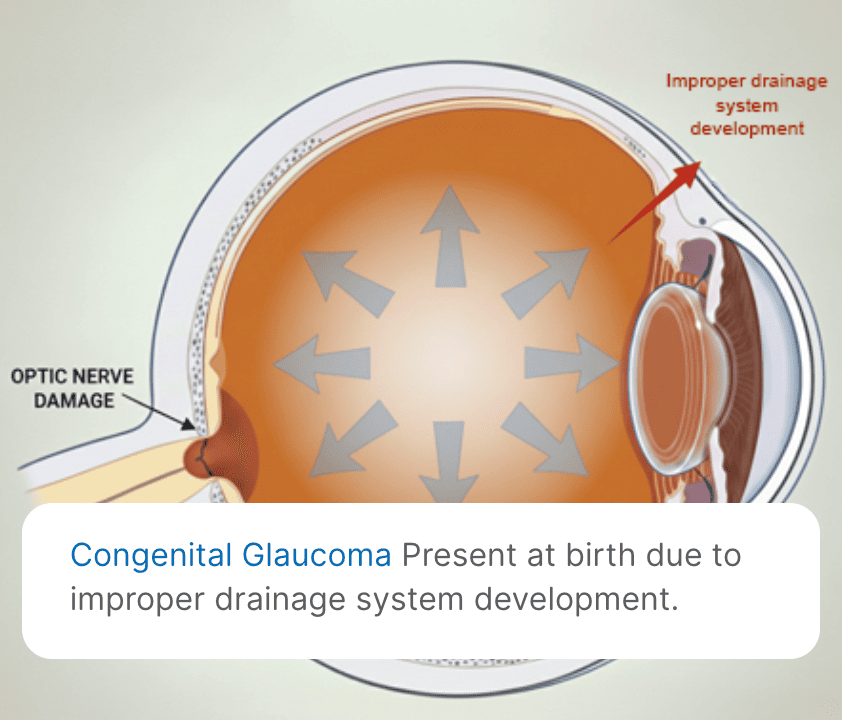
Congenital Glaucoma
A rare type present at birth due to improper development of the eye’s drainage system.
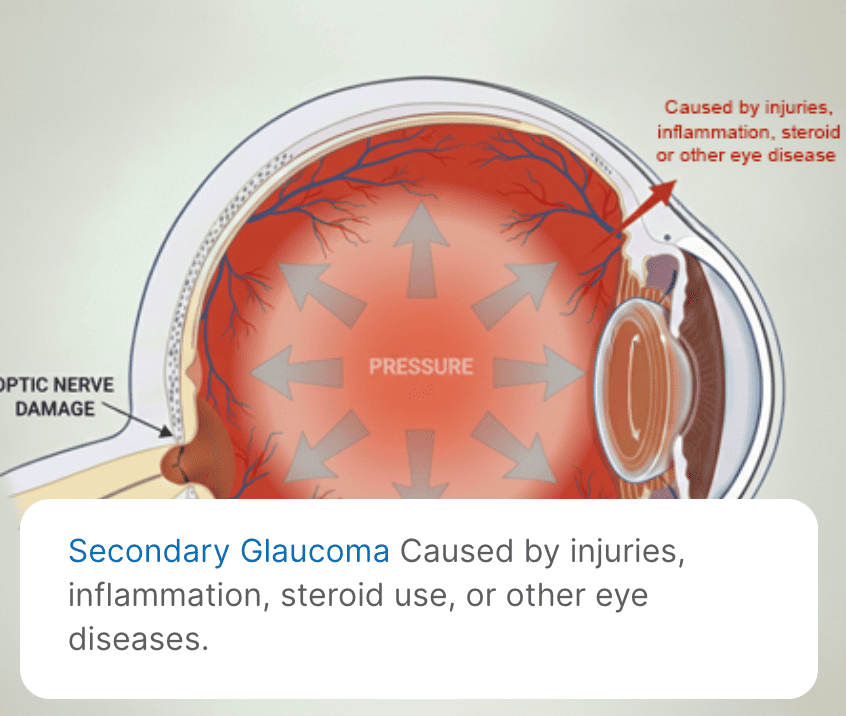
Secondary Glaucoma
Develops as a result of other conditions such as eye injury, inflammation, diabetes, or long-term steroid use.
What Are the Tests I Need to Undergo?
A comprehensive glaucoma evaluation may include :
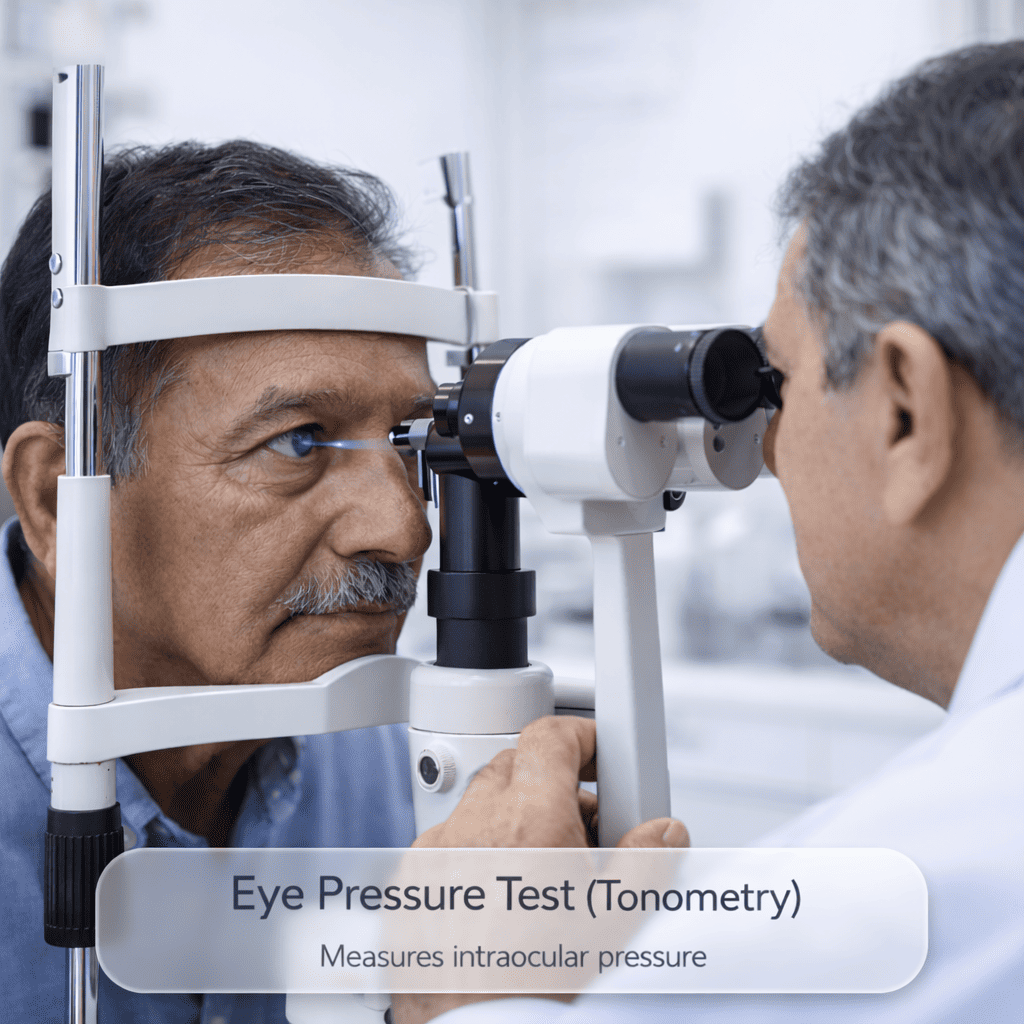
Eye Pressure Test (Tonometry)
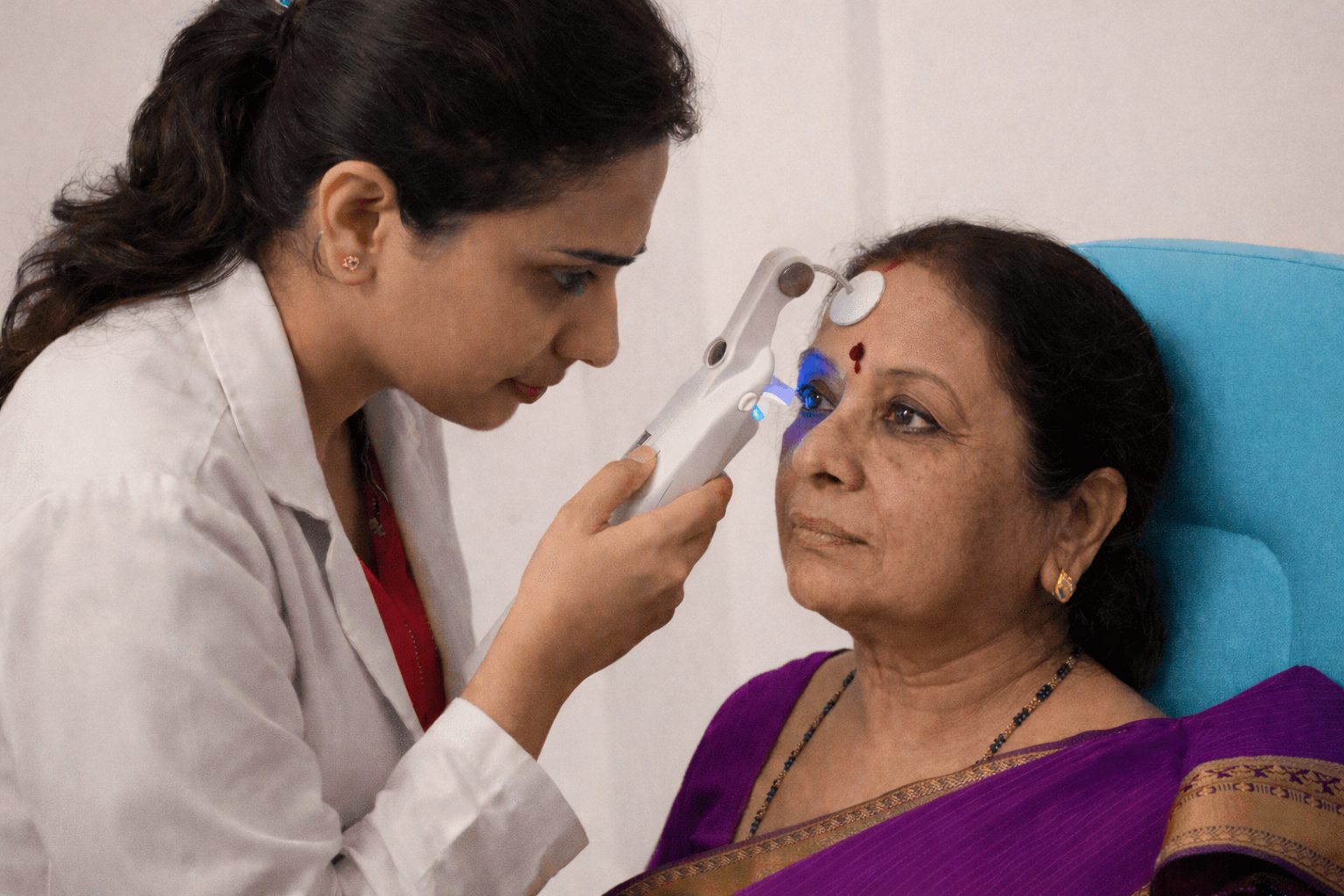
Measures the pressure inside the eye to detect and monitor glaucoma, helping prevent optic nerve damage.
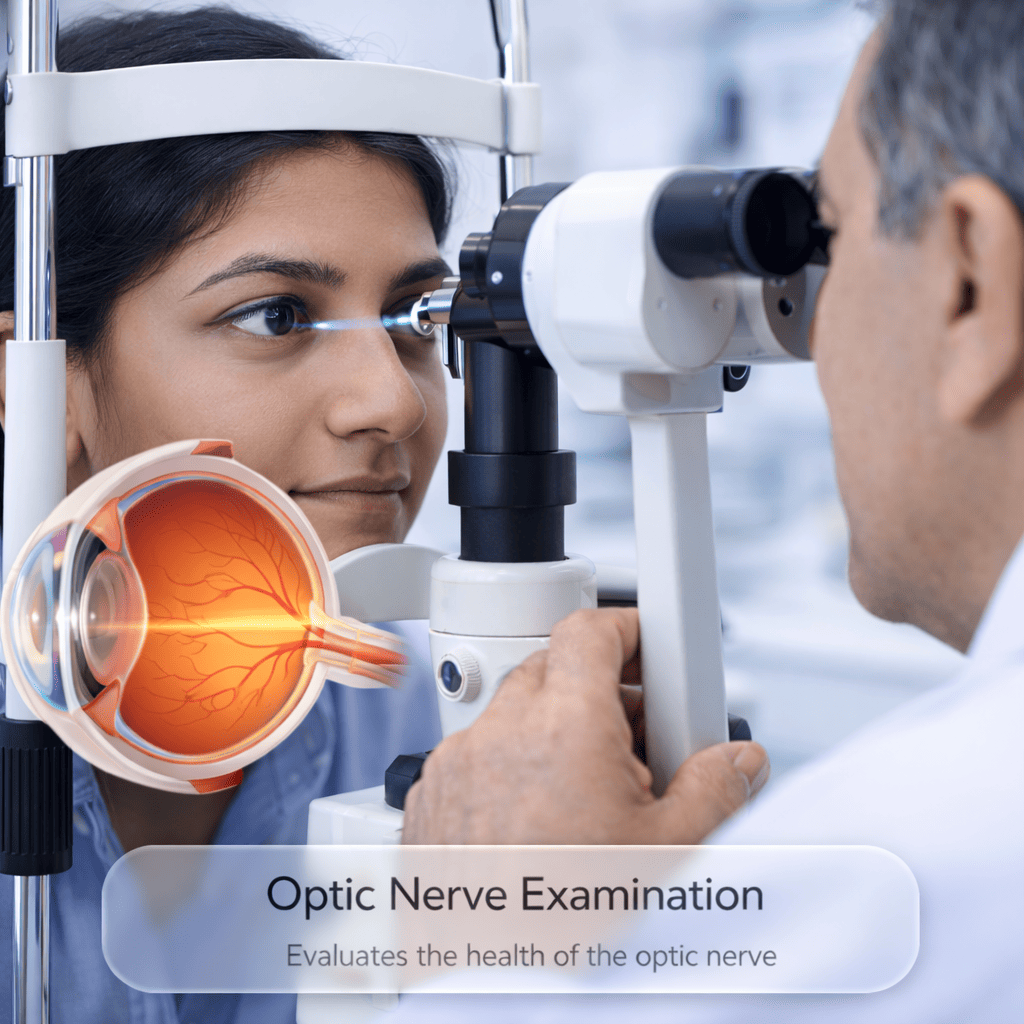
Optic Nerve Examination
Evaluates the health of the optic nerve for signs of glaucoma or other nerve-related vision problems.
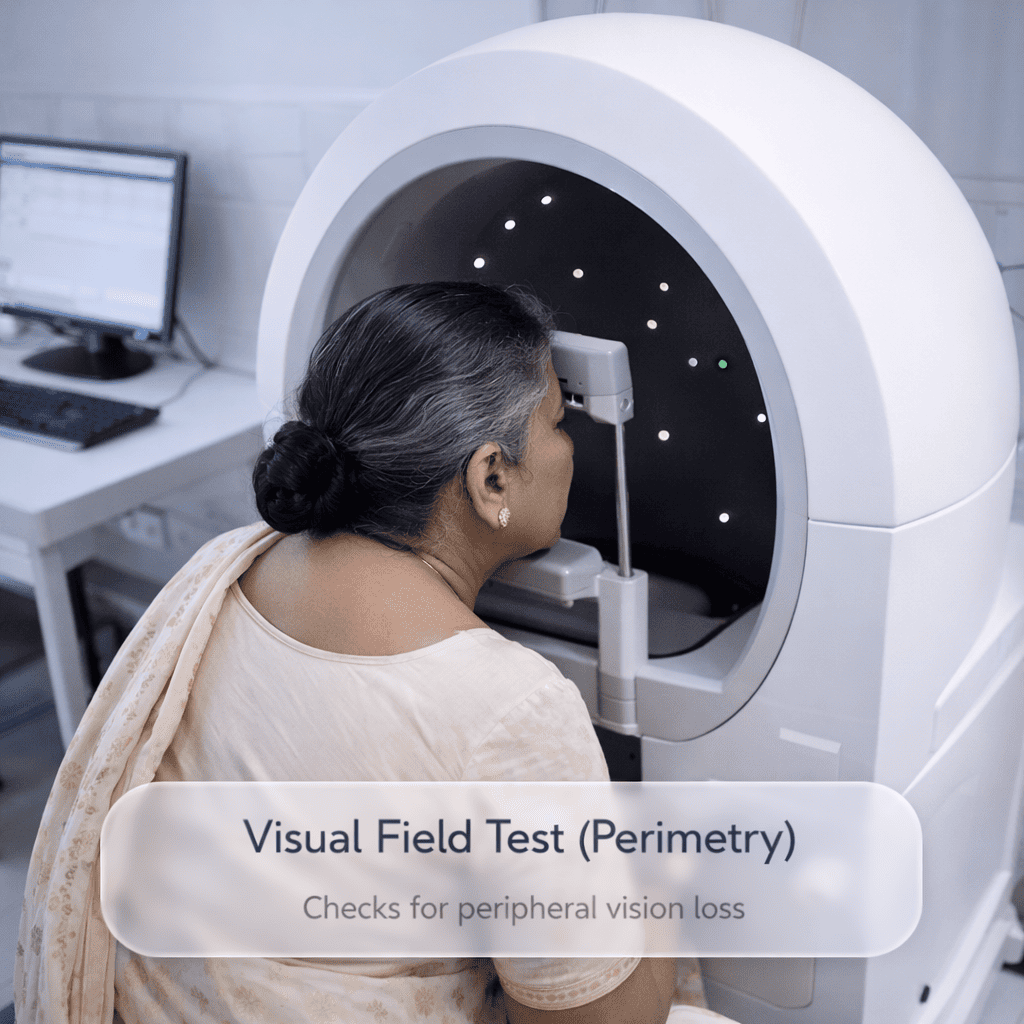
Visual Field Test (Perimetry)
Assesses your peripheral (side) vision to identify blind spots or vision loss caused by glaucoma or neurological conditions.
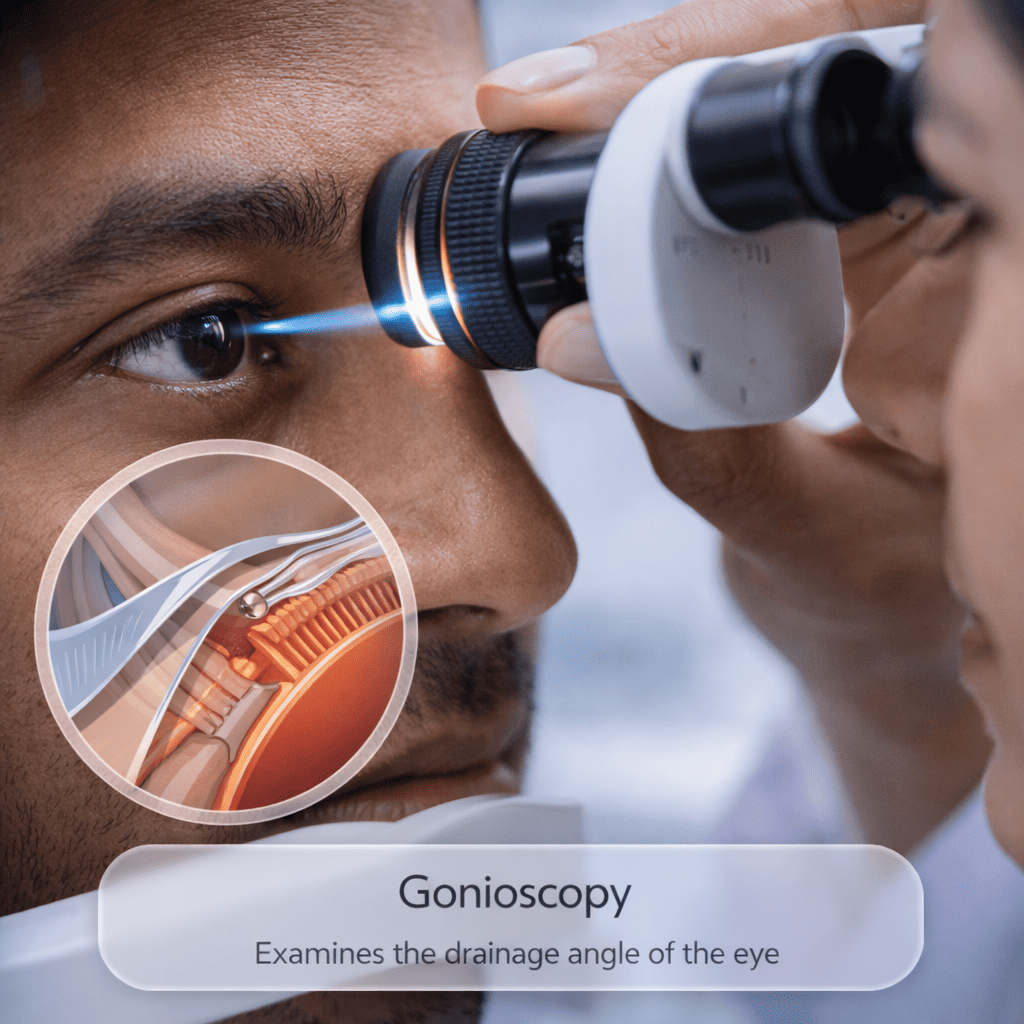
Gonioscopy
Examines the drainage angle of the eye to determine whether glaucoma is open-angle or angle-closure type.
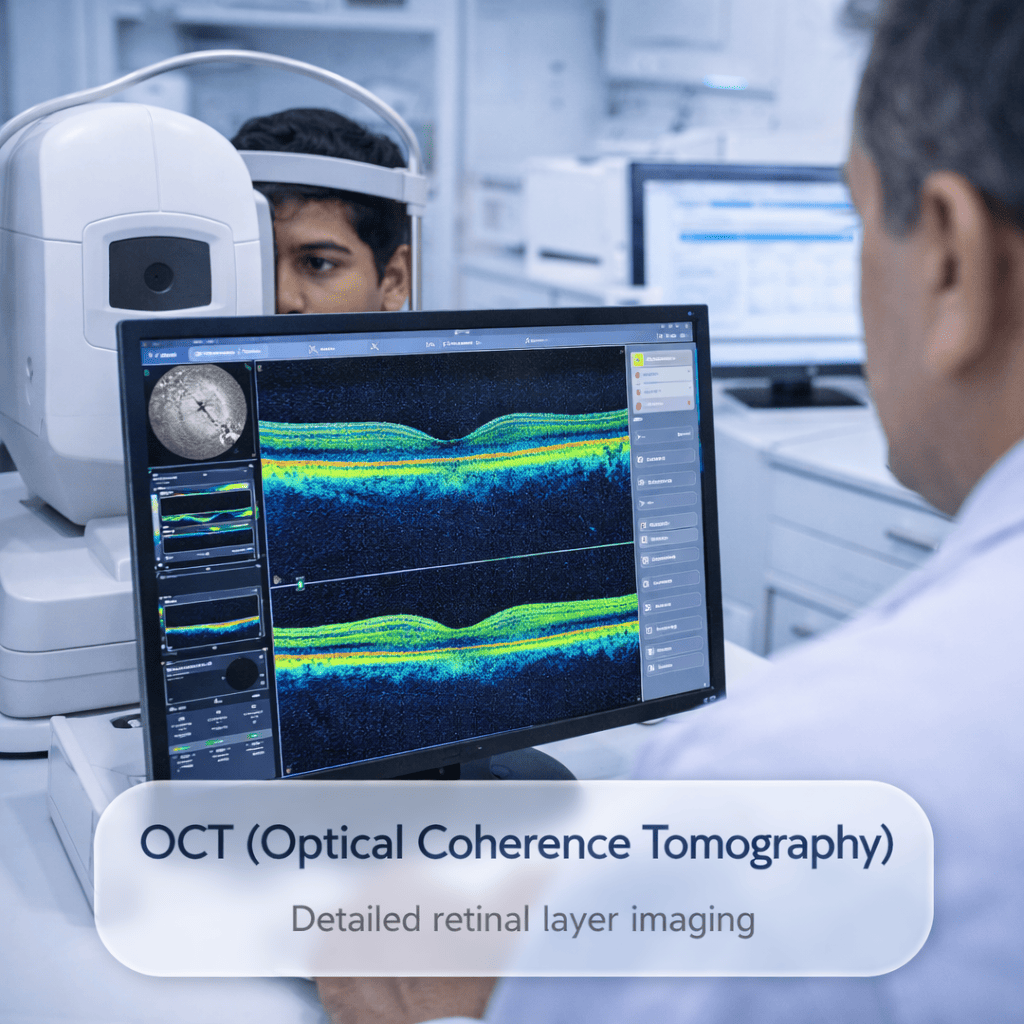
OCT (Optical Coherence Tomography)
Uses advanced imaging technology to create detailed cross-sectional images of the retina and optic nerve for early detection of eye diseases.
Regular testing helps detect glaucoma early and monitor its progression.
FAQ
Glaucoma often has no symptoms in the early stages. Gradual peripheral vision loss is usually the first sign.
Yes, vision loss caused by glaucoma is permanent. However, early treatment can prevent further damage.
While it cannot always be prevented, regular eye checkups help detect it early and reduce the risk of severe vision loss.
Treatment may include eye drops, oral medications, laser therapy, or surgery depending on severity.
People above 40 years or those with risk factors should have regular eye examinations as advised by their eye specialist.
Hello!
Click one of our representatives below to chat on WhatsApp or send us an email to venuseyehospital@gmail.com

 ×
×