
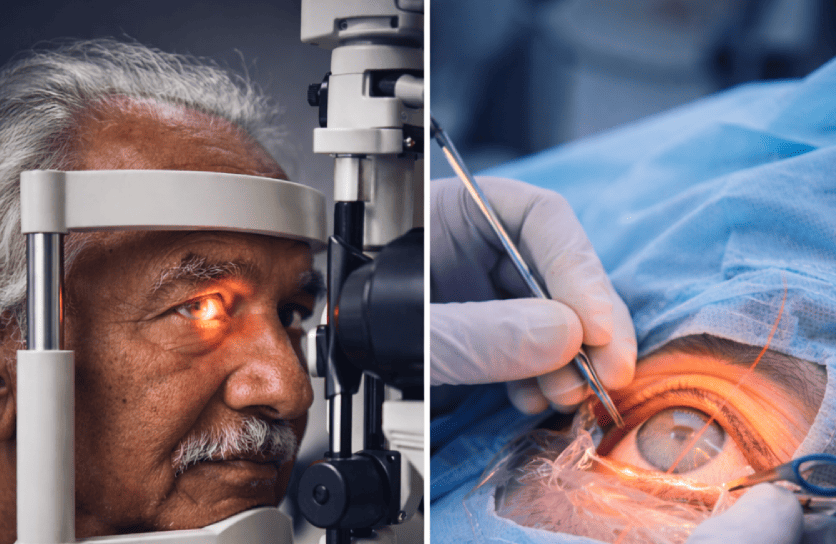
What Is Cataract? (મોતિયાબિંદ)
A cataract is a common eye condition in which the natural lens of the eye becomes cloudy or opaque, leading to blurred or dim vision.
The lens plays a crucial role in focusing light onto the retina for clear vision. When it becomes cloudy, light cannot pass through properly, resulting in gradual vision loss.
Cataracts usually develop slowly and are most commonly related to aging. However, they can also occur due to diabetes, eye injuries, prolonged exposure to ultraviolet (UV) rays, long-term steroid use, or genetic factors.
What causes Cataract?
Cataracts are mainly caused by the natural aging process, where the eye's lens becomes cloudy over time. Other common causes include diabetes, prolonged exposure to UV rays, smoking, eye injuries, certain medications like steroids, genetic factors and previous eye surgeries. Regular eye check-ups help detect cataracts early and ensure timely treatment.
The most common cause of cataract is degenerative changes due to the ageing process. With age, proteins in the natural lens degenerate, resulting in a clouded lens called a cataract. There might be other causes such as:
- Health conditions like diabetes, kidney disease, glaucoma, smoking, eye injuries, infection and inflammation inside the eye.
- Prolonged use of certain medications can also lead to cataract formation.
- Cataract may also occur in children due to genetic or metabolic defect or due to infection and trauma.
Cataract Symptoms Checker






Cataract Surgery Lens Options
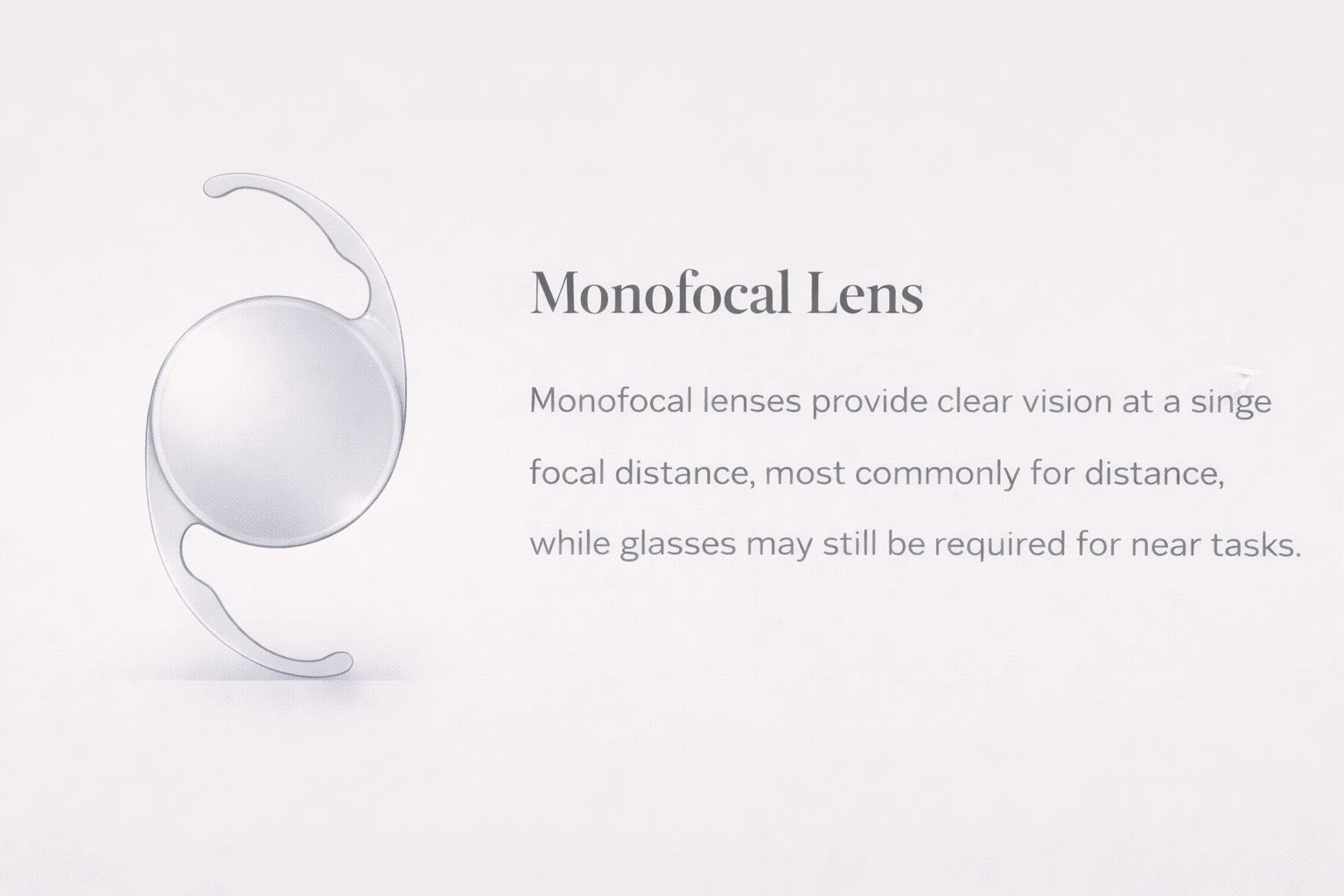
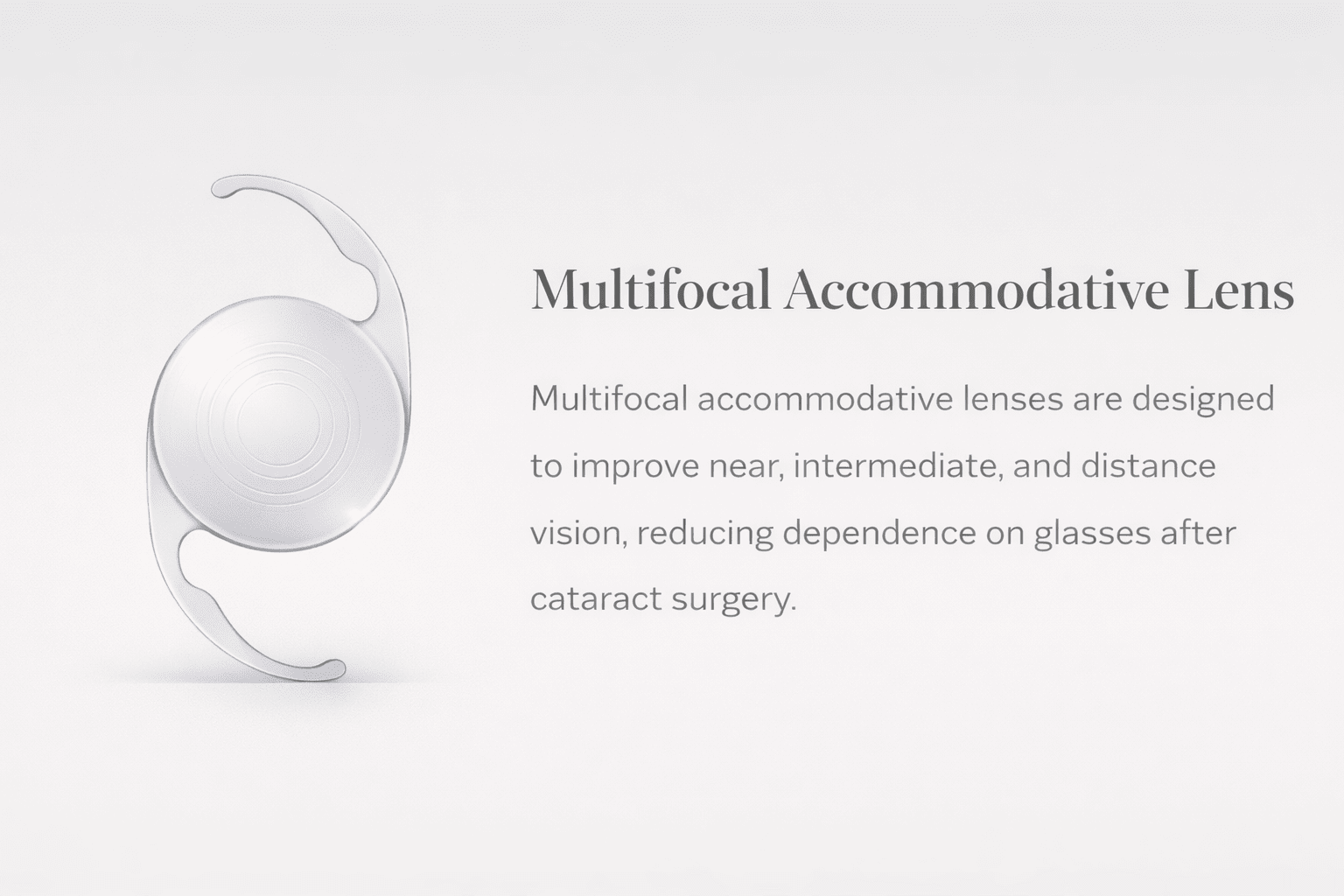
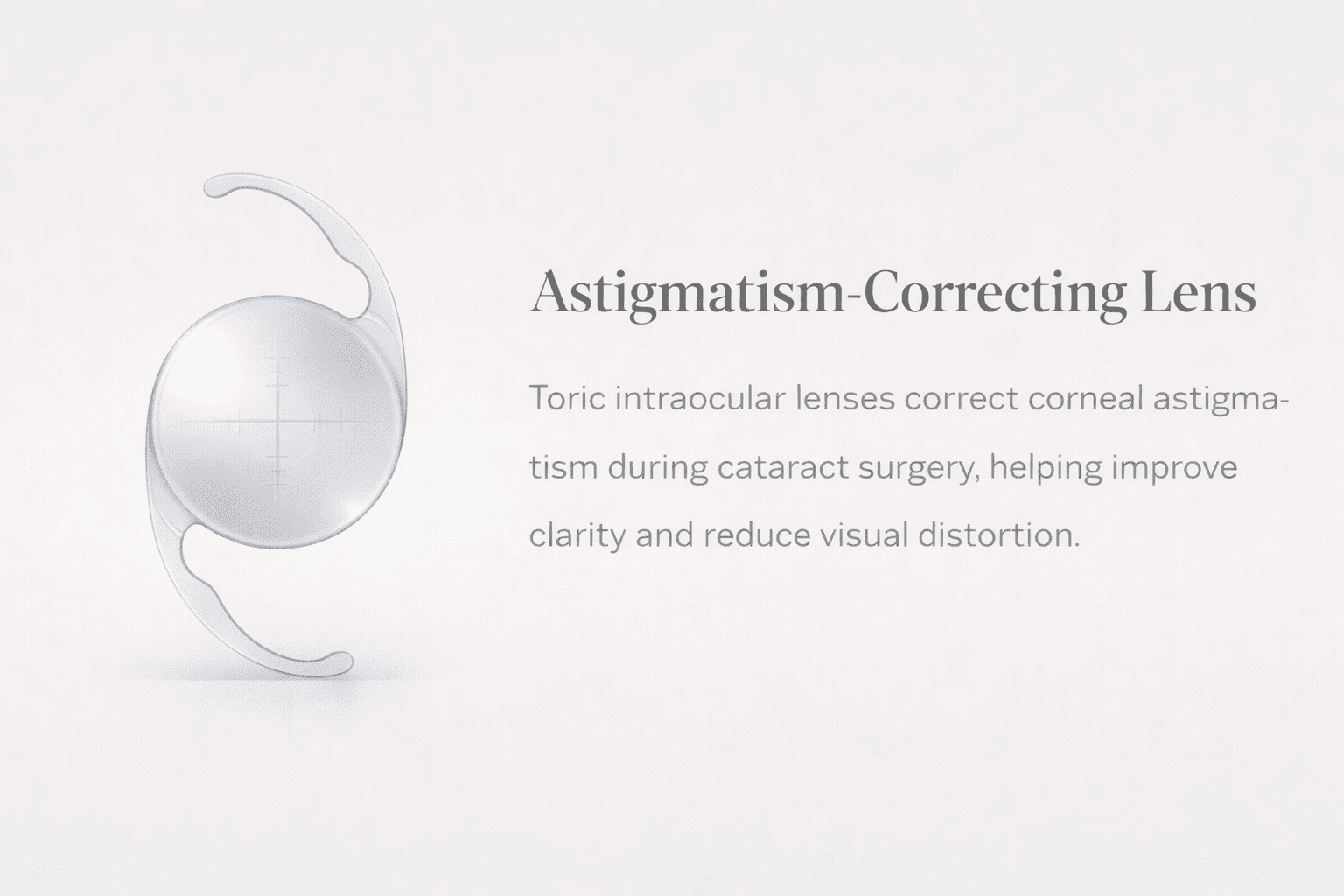
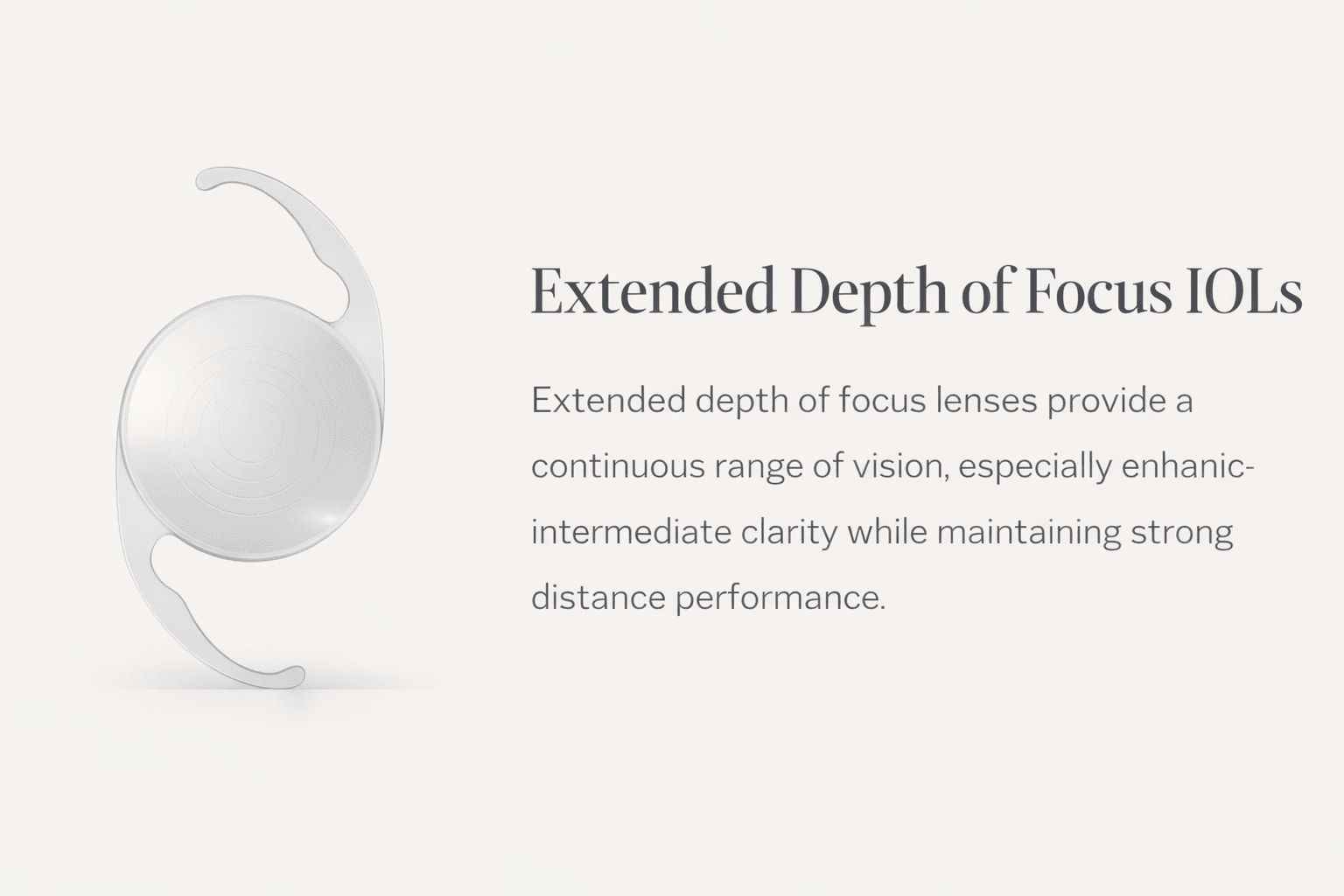
Types of Intraocular Lenses (IOLs)
During cataract surgery, the cloudy natural lens is replaced with an artificial intraocular lens (IOL). The choice of lens depends on your vision needs, lifestyle, and eye condition.
Cataract Surgery Techniques
Modern cataract surgery is safe, quick and minimally invasive.
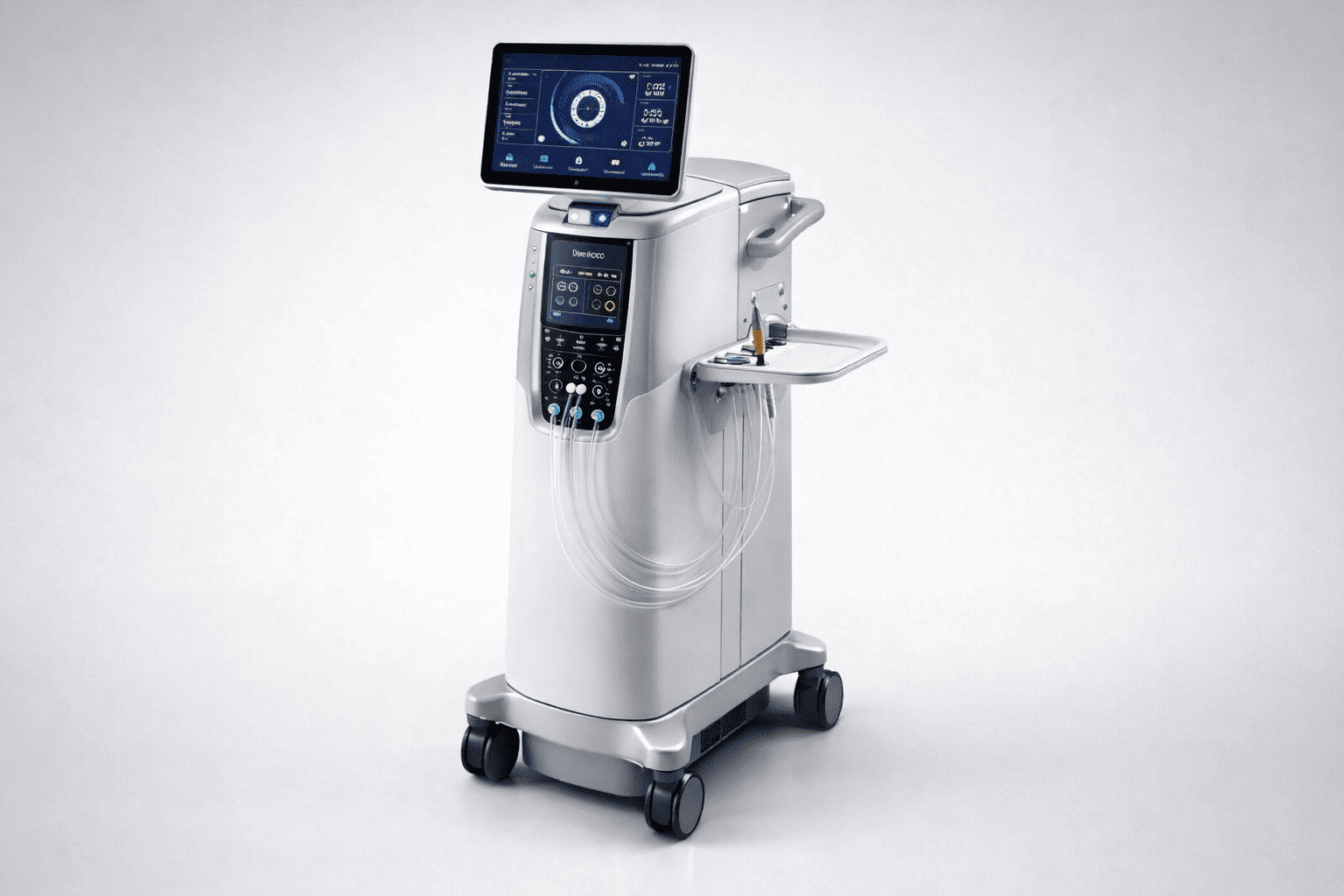
Phacoemulsification
The most commonly used technique. Ultrasound energy is used to break and remove the cloudy lens through a small incision, followed by IOL implantation.
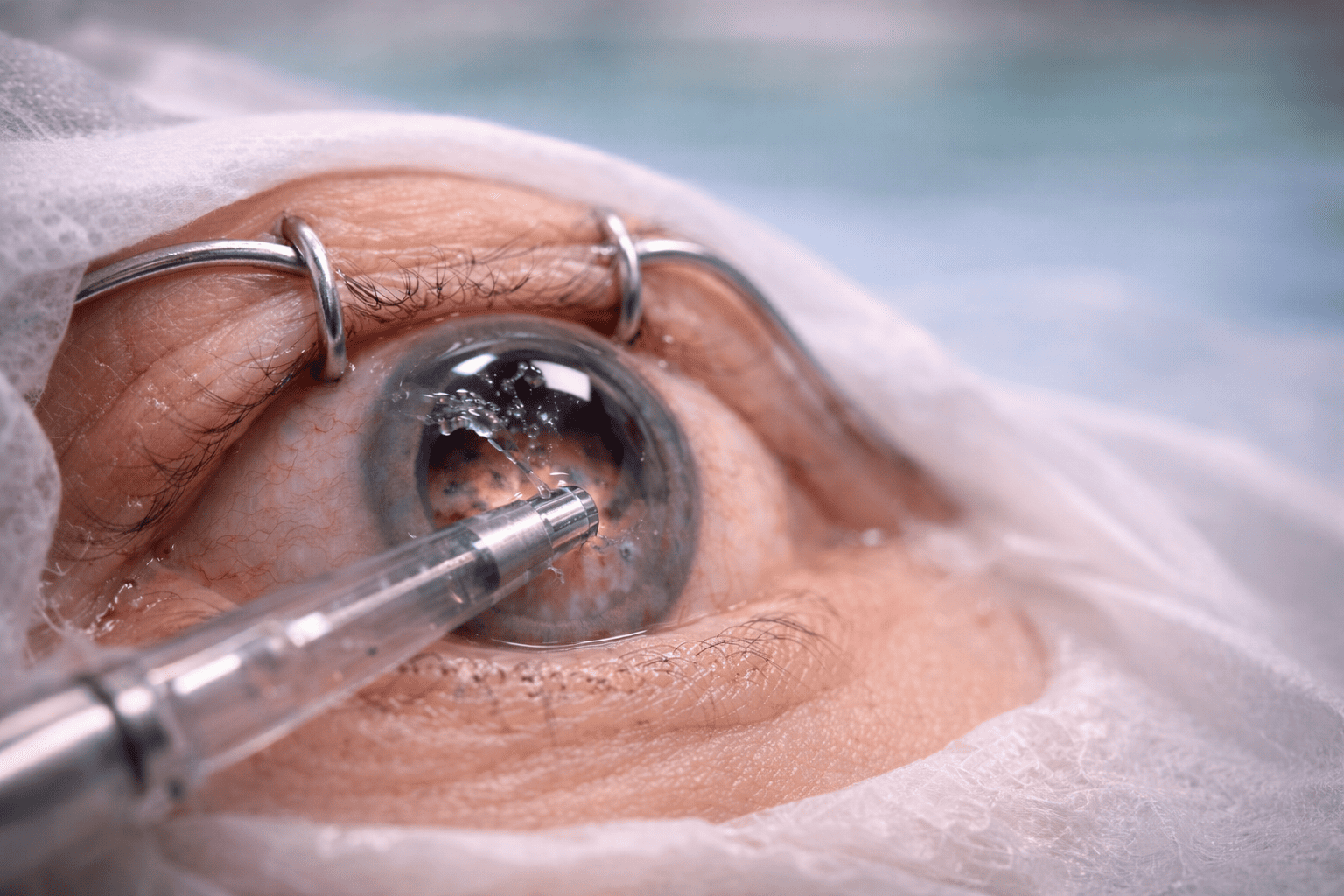
MICS (Micro Incision Cataract Surgery)
An advanced version of phaco surgery using a smaller incision, leading to faster healing and reduced inflammation.
FAQ
Aging is the most common cause. Other causes include diabetes, eye injury, UV exposure and long-term steroid use.
No. It is performed under local anesthesia & is generally painless.
The procedure usually takes 15–30 minutes and is performed as a day-care surgery.
Surgery is recommended when vision problems start affecting daily activities like reading or driving.
The best lens depends on your eye condition & lifestyle needs. Your ophthalmologist will recommend the most suitable option after evaluation.
Hello!
Click one of our representatives below to chat on WhatsApp or send us an email to venuseyehospital@gmail.com

 ×
×