
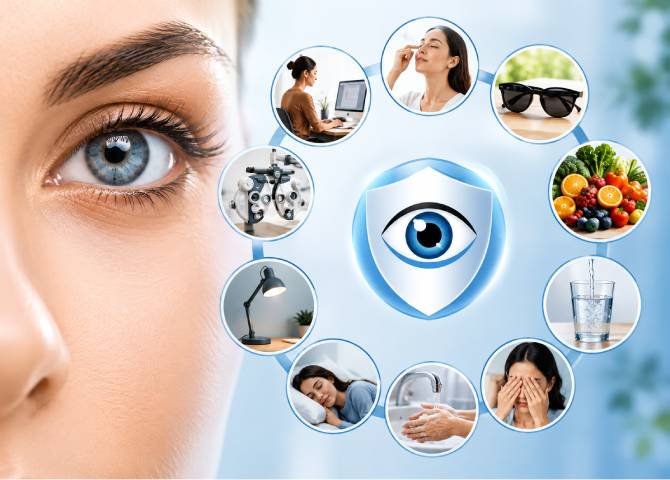
10 Simple Habits to Protect Your Eyes Every Day
Our eyes play an important role in almost everything we do, from working and learning to reading, driving, and enjoying everyday experiences. Despite their importance, eye health is often overlooked until a vision problem or uncomfortable symptom appears.
The good news is that protecting your eyes does not always require complicated changes. Simple daily habits can help support comfortable vision and overall eye health. From taking breaks from digital screens to eating a balanced diet and scheduling regular eye examinations, small steps can make a meaningful difference.
At Venus Eye Hospital, Dr. Richa Patel emphasizes the importance of preventive eye care and healthy daily habits for maintaining good vision.
1. Take Regular Breaks From Digital Screens
Computers, smartphones, tablets, and other digital devices are now part of everyday life. Spending long periods looking at a screen can contribute to eye strain, dryness, blurred vision, and headaches.
Try following the 20-20-20 rule: every 20 minutes, look at something about 20 feet away for at least 20 seconds.
Taking regular breaks allows your eyes to relax and can improve visual comfort during prolonged screen use.
2. Blink Frequently
When concentrating on a computer or smartphone screen, people often blink less frequently. Reduced blinking can cause the eyes to become dry and irritated.
Make a conscious effort to blink regularly, especially during extended periods of screen use. If you frequently experience dry or uncomfortable eyes, an eye specialist can help identify the underlying cause.
3. Wear Sunglasses Outdoors
Exposure to ultraviolet (UV) radiation can affect eye health over time. When spending time outdoors, particularly during strong sunlight, wear sunglasses that provide appropriate UV protection.
A wide-brimmed hat can also provide additional protection from direct sunlight.
Protecting your eyes from excessive UV exposure is a simple habit that can become part of your everyday outdoor routine.
4. Eat a Balanced Diet
Good nutrition supports overall health, including the health of your eyes.
Include a variety of nutrient-rich foods in your daily diet, such as:- Green leafy vegetables
- Colourful fruits and vegetables
- Nuts and seeds
- Eggs
- Fish and other sources of healthy fats
- Whole grains
A balanced diet provides important nutrients that support normal eye function and overall wellbeing.
5. Stay Hydrated
Adequate hydration is important for your body's normal functions and can also support comfortable eyes.
Not drinking enough fluids may contribute to feelings of dryness, particularly when combined with prolonged screen use or dry environmental conditions.
Make water a regular part of your daily routine and pay attention to your body's hydration needs.
6. Avoid Rubbing Your Eyes
Rubbing your eyes may seem harmless, especially when they feel itchy or tired. However, frequent or forceful rubbing can irritate the delicate tissues around the eyes.
If your eyes feel itchy, dry, or irritated repeatedly, it is better to identify the underlying cause rather than repeatedly rubbing them.
An eye examination can help determine whether allergies, dryness, infection, or another condition is contributing to the symptoms.
7. Maintain Clean Hands and Eye Hygiene
Your hands come into contact with many surfaces throughout the day. Touching your eyes with unclean hands can introduce unwanted particles and microorganisms.
Wash your hands regularly, especially before touching your eyes or handling contact lenses.
If you wear contact lenses, follow the cleaning, storage and replacement instructions provided by your eye-care professional.
8. Get Enough Sleep
Your eyes also need rest. Insufficient sleep may contribute to tired-looking eyes, dryness, irritation, and difficulty concentrating visually.
Aim for a consistent and adequate sleep routine. Reducing unnecessary screen use before bedtime may also help you establish a more comfortable nighttime routine.
Giving your eyes sufficient rest is a simple habit that supports overall wellbeing.
9. Use Proper Lighting While Reading or Working
Poor lighting can make reading and close-up work uncomfortable. Avoid working in extremely dim surroundings or sitting directly in front of a strong light source that creates glare.
Position your lighting so that it illuminates your workspace without producing excessive reflections on your computer or reading material.
A comfortable working environment can help reduce unnecessary visual discomfort.
10. Schedule Regular Eye Examinations
One of the most important habits for protecting your vision is getting your eyes examined regularly.
Some eye conditions may develop gradually without obvious symptoms in the early stages. Regular examinations allow an eye specialist to assess your vision and identify potential concerns at an appropriate stage.
The frequency of eye examinations can vary depending on your age, symptoms, medical history, existing eye conditions, and other individual risk factors.
At Venus Eye Hospital, comprehensive eye evaluations can help patients understand their vision and receive personalized guidance for maintaining eye health.
When Should You See an Eye Specialist?
Daily eye-care habits are important, but they should not replace professional evaluation when symptoms occur.
Consider consulting an eye specialist if you experience:- Persistent blurred vision
- Frequent headaches associated with vision
- Ongoing eye redness or irritation
- Persistent dryness
- Eye pain
- Sudden changes in vision
- Increased sensitivity to light
- Difficulty seeing clearly at different distances
- New spots, flashes, or other unusual visual symptoms
Sudden or significant changes in vision should receive prompt professional attention.
Expert Eye Care at Venus Eye Hospital
Taking care of your eyes is a lifelong process. Simple habits such as taking screen breaks, eating a balanced diet, wearing UV-protective sunglasses, maintaining good hygiene, getting adequate sleep and having regular eye examinations can help support healthy vision.
At Venus Eye Hospital, Dr. Richa Patel and the eye-care team focus on comprehensive eye care and patient education. Understanding your individual eye-health needs can help you make informed decisions about preventive care and treatment when required.
Whether you are looking for routine eye care, experiencing vision changes, or need professional guidance for a specific eye concern, a comprehensive eye examination can help you understand the health of your eyes.
Make Eye Health a Daily Priority
Your eyes deserve the same attention as the rest of your health. You don't need to make major changes overnight. Start with a few simple habits and make them part of your everyday routine.
Take regular breaks from screens, protect your eyes outdoors, maintain good hygiene, eat nutritious foods, stay hydrated, get enough rest, and don't skip regular eye examinations.
For personalized eye-care guidance, consult Dr. Richa Patel at Venus Eye Hospital and take a proactive step toward maintaining healthy vision for years to come.

 ×
×